
Meaningful Ways to Spread God's Word and Spark Faith Talk
Table of Contents
- Why Everyday Moments Matter More Than Perfect Words
- Christian Conversation Starters That Open Hearts, Not Defenses
- How to Start a Conversation About Faith Without Being Pushy
- Faith-Based Apparel as a Conversation Starter: Wearing Your Witness
- How to Share Your Testimony Effectively in 3 Minutes or Less
- Digital Outreach: Sharing Your Faith Online With Grace and Truth
- Post-Conversation Follow-Up: What to Do After the Moment Passes
- Frequently Asked Questions
Last Updated: October 2, 2026
Why Everyday Moments Matter More Than Perfect Words
You don't need a theology degree or a memorized script to spread God's word. The most meaningful faith conversations happen in ordinary moments: a chat over coffee, a kind word to a coworker, a message sent at the right time. This guide from ClaimedbyGodDesigns walks through practical, pressure-free ways to spark spiritual conversations without turning people away.
Christian Conversation Starters That Open Hearts, Not Defenses
Christian conversation starters are simple, open questions that invite reflection without cornering anyone. The goal is connection, not conversion in one sitting.
Try questions like these:
- "What's been giving you hope lately?"
- "Do you have a faith background, or is that new territory for you?"
- "I've been reading something that challenged me. Want to hear it?"
- "What do you do when life feels overwhelming?"
How to Start a Conversation About Faith Without Being Pushy
The answer is simpler than most people expect: lead with listening, and let curiosity do the work. Pushiness comes from needing a result. Genuine interest comes from caring about the person.
Listening First: The Skill Most Believers Skip
Active listening is the most underused tool in faith sharing: hearing what someone says, reflecting it back, and asking a follow-up instead of planning your next point while they talk.
Handling Difficult Objections With Grace and Truth
Objections are not attacks, they are usually someone's real experience talking. When someone says faith feels irrelevant or that the church hurt them, the worst move is to argue; the second-worst is going silent, which reads as agreement or discomfort.
1. "The church is full of hypocrites."
- Acknowledge: "You're not wrong. I've been hurt by church people too."
- Ask: "Was there something specific that happened?"
- Answer briefly: "I don't think Jesus is asking you to trust His people. He's asking you to trust Him. The people are a mess, He knew that going in."
2. "I'm spiritual but not religious."
- Acknowledge: "That makes sense. A lot of people I know say the same thing."
- Ask: "What does 'spiritual' mean for you?"
- Answer briefly: "I get the pull. What drew me in was that Jesus wasn't vague, He said specific things about who He was. That was harder to ignore than a general sense of spirituality."
3. "Why does God allow suffering?"
- Acknowledge: "That's the hardest question there is. I don't have a clean answer."
- Ask: "Is this coming from something you're walking through right now?"
- Answer briefly: "I don't think God is distant from suffering. The center of the Christian story is God entering it. That doesn't solve it, but it means He's not standing outside watching."
When the Conversation Turns Into a Debate
Sometimes an objection is not a question but an invitation to fight. You can tell the difference by whether the person is asking or asserting.
- Name it gently. "I don't think I'm going to convince you tonight, and I don't want to turn this into a fight. Can I just say I'm glad we can talk about it?"
- Ask what would change their mind. "If there were evidence that changed your view, what would it look like?" This is disarming and often reveals the real issue underneath.
- Step back and keep the relationship. "I'd rather keep you as a friend than win this. Let's leave it there for now."
A Word on Boundaries
You are not responsible for the outcome of every conversation, only for showing up with honesty and care. If a conversation is draining you or pulling you into a fight you did not choose, end it kindly and pick it up another day. Burnout helps no one, including the person you are trying to reach.
Barna Group research on faith conversations
Faith-Based Apparel as a Conversation Starter: Wearing Your Witness
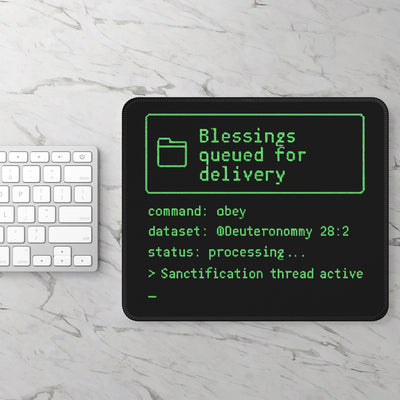
Faith-based apparel works as a conversation starter because it lets a message speak before you say a word. A shirt or hoodie with a clear statement invites questions naturally, no awkward opening required.

How to Share Your Testimony Effectively in 3 Minutes or Less
A testimony is your personal account of what God has done in your life, told to point to Him rather than you. Three minutes is plenty with a clear structure, and language adapted to the person listening.
Be The Reason Someone Believes God Is →

Use this framework:
- Before (45 seconds): What life looked like before faith mattered to you. Name a concrete feeling or situation, not a theological category.
- Turning point (45 seconds): The moment or season something shifted. Be specific about where you were and what you heard or read.
- After (45 seconds): What changed, honestly, without exaggeration. Include what is still hard.
- Invitation (30 seconds): A gentle question that lets them respond.
A Worked Example (Secular Listener)
"For most of my twenties I was running on caffeine and anxiety. I looked fine on paper but I was exhausted and pretending I was fine. A friend kept inviting me to this small group, and I finally went just to get him to stop asking. What surprised me was that nobody there pretended to have it together. I started reading the Gospel of John on my own, and the way Jesus talked to people who were messes, that got me. I'm not fixed. I still get anxious. But I don't carry it alone anymore. Can I ask, has anything like that ever been on your radar?"
If You Think Your Story Is Boring
Most believers assume their testimony is too ordinary to share. Usually the opposite is true. A dramatic conversion is memorable but easy to dismiss: "That's not my life." A story of slow, ordinary change, forgiving a parent, quitting a habit, finding peace in a hard marriage, is far more transferable. The person across from you probably lives in that story already.
Adapting Language for Gen Z and Skeptical Listeners
A few swaps that consistently land better with younger or secular audiences:
- Instead of "I was lost," try "I didn't know what I was living for."
- Instead of "I got saved," try "I started following Jesus" or "I gave my life to Him", and be ready to explain what that meant in practice.
- Instead of "God spoke to me," try "I had this sense I couldn't shake" or "a verse kept coming back to me."
- Instead of "I was convicted," try "I couldn't ignore it anymore."
Keep It Short Enough That They Can Talk
A testimony is not a performance; it is a bridge. Talk for three minutes and stop, and the other person has room to respond. Talk for fifteen and you have given a lecture. The shorter, more specific version opens more follow-up questions than the polished long one.
Digital Outreach: Sharing Your Faith Online With Grace and Truth
Digital outreach is sharing your faith through social media, messages, and online platforms with the same care you would use face to face. The screen changes the medium, not the mission.
A few practices that keep online faith sharing honest:
- Post your real story, not just inspirational quotes
- Reply to comments with patience, even the critical ones
- Send a private message when a public post would embarrass someone
- Share scripture that has actually helped you, with context
Pew Research on religion and social media
Post-Conversation Follow-Up: What to Do After the Moment Passes
Follow-up is where most spiritual conversations quietly die. The moment ends, both people move on, and nothing grows.
Situation |
Best Approach |
Follow-Up Timing |
|---|---|---|
Casual chat with a coworker |
One open question, then listen |
Within 2 days |
Someone shares a struggle |
Reflect back, offer to pray |
Same day |
Objection or pushback |
Acknowledge, do not argue |
1 week, low pressure |
Online conversation |
Private message, real story |
Within 24 hours |
Gift or apparel sparks a question |
Answer briefly, invite more |
Within 3 days |
Christianity Today on relational evangelism
Frequently Asked Questions
What are some effective ways to spread the word of God in everyday life?
Start with where you already are. Active listening, asking open-ended questions, and sharing your personal testimony are three of the most natural ways to spread God's Word. Faith-based apparel can also open doors: a shirt that reads 'Be The Reason Someone Believes God Is Good' gives people a genuine reason to ask what your faith means to you. The key is intentionality without pressure, letting curiosity lead the conversation rather than a rehearsed script.
How do I begin a spiritual conversation without being pushy?
Lead with curiosity instead of conclusions. Ask someone how they're really doing, then listen without rushing to fix or preach. When you share your own story, keep it brief and honest. A simple opener like 'I've been praying about something lately, and it's changed how I see this' invites dialogue rather than demands agreement. If the person isn't ready, respect that. Prayerful preparation and genuine care build more bridges than any elevator pitch ever will.
How can I use my personal style to spark spiritual discussions?
Wear your faith with intention. A hoodie or tee with a bold gospel message becomes a low-pressure conversation starter because the words do the work first. Someone might ask where you got it or what the phrase means. That moment is yours to share why it matters to you. Choose pieces that reflect your authentic voice, not just generic Christian merch, so the message feels like a natural extension of who you already are.
How do I share my testimony effectively without rambling?
Structure your story in three parts: life before Christ, the moment or season you encountered Him, and how your life looks now. Keep it under three minutes. Focus on the transformation, not the drama. Paul's testimony in Acts 26 follows this exact pattern. Practice it out loud so the words flow naturally. When you share with conviction and hope-filled speech, people hear authenticity, not a performance.